
How to Apologize Well and Repair a Relationship

Healthy relationships don’t avoid conflict; they repair it. An apology is one of the most reliable tools we have for rebuilding trust after a misstep. Done well, it validates the hurt, takes responsibility, and offers a way forward. Here’s a practical guide to doing that with care.
What is an apology?
The dictionary defines an apology as “a regretful acknowledgment of an offense or failure.” I believe it’s necessary when you know that you did something that hurt someone, whether it was intended or unintentional.
Beware the Fake Apology
Often, those above apologies land flat, seem inauthentic, and lack any significant meaning. In many of these cases, no apology is better than a fake, insincere or overstated apology. In fact, those could do more harm to a relationship than any good.
But what makes a good apology?
We all know that talk is cheap. Researchers from Ohio State University found that the more elements an apology contained, the more credible, effective, and adequate it was perceived to be. The researchers identified six primary components of an apology:
Express regret
Explain what went wrong
Acknowledge responsibility
Declare repentance
Offer repair
Request forgiveness
The research found that the most important component was acknowledging responsibility (admitting you made the mistake), and the second most crucial was an offer of repair. Let’s unpack each one of these, and I’ve added a few more.
Timing is important
The sooner you can offer a sincerely felt apology, the sooner you can help your loved one begin to heal. The longer you wait, the more you risk causing excessive pain and perhaps long-term damage.
Express regret
Whether your actions were unintentional or on purpose, you harmed someone you care about. If they have any significance to you whatsoever, you owe them an apology.
Like Elton John sang, “Sorry seems to be the hardest word…” But this is the place to start. Start by simply saying you're sorry.
Apologies are best delivered face-to-face, preferably with eye contact. If that’s not a possibility, take the time and write it out. This is often practiced, particularly when the person is no longer available or deceased.
Explain what went wrong
Keep it simple and to the point. You don’t want to make excuses here or excuse your actions. Just state the facts. Show what the motivations were behind your ill-received actions.
Be patient
You need to be patient with the person you are apologizing to. All too often, I see someone attempting to make an apology in order to “fix it” right away. They do this because they don’t want the other person to feel any pain.

I can understand that, but consider this. If they are in pain, they need to work it out. Give them the time and the grace that they need to move through their upset and to get to forgiveness.
Acknowledge responsibility
A true, heartfelt apology takes some level of courage. To admit that you were wrong, share your shame, and take responsibility for your actions is a vulnerable place to be.
According to Aaron Lazare, author of “On Apology,” acknowledging your shame and wrongdoing gives the offended the power to forgive. It is this exchange that is at the heart of the healing process.
Declare repentance
While the word repentance may bring up religious ideas, it’s really about the sincerity of regret and remorse. Repentance is an honest, regretful acknowledgment of the wrongdoing with a commitment to change.
Repentance is a declaration that you suffered either in shame, guilt or anxiety over the potential loss of the relationship.
Offer repair
If the circumstances of your wrongdoing warrant it, you may need to make amends and offer repair. What can you do to make up for this wrongdoing? What can you do to set it straight? By doing so, you’re trying to make things right and heal the damaged relationship.
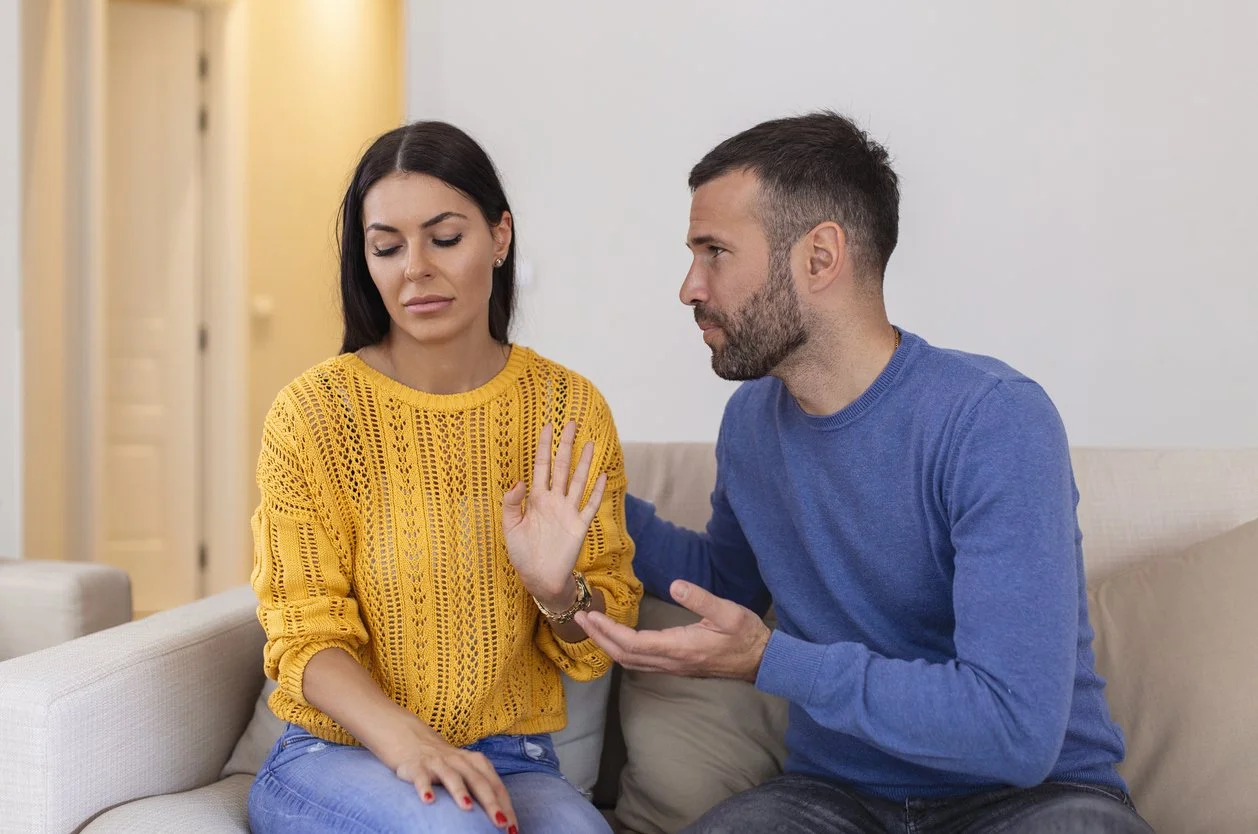
In a sense, this portion of the apology is making reparations or settling a debt. You may need to pay for the missing or broken item or take your friend out to lunch. Show your thoughtfulness, and in some situations, you may need to ask, “Please let me know if there is anything I can do?” Settle the case to make it right, but also to clear your conscience.
Right actions in the future are the best apologies for bad actions in the past. - Tryon Edwards
Ask forgiveness
This may be the hardest part of the apology because there is always the chance that the person you are asking for forgiveness from may say no. This is also a moment of vulnerability because they see you for who you are (flaws and all).
Maybe you’ve let them down too many times before. What if the offense just simply crossed the line for them, and there’s no going back?
If forgiveness isn’t possible right now, respect that boundary. Focus on consistent change and give it time.
Understand that they may not be open to your apology right now
Some may just not be able to forgive.
For those who don’t forgive you, really listen to what they have to say. Empathize and have compassion for their feelings; after all, you had a hand in the situation. They may be in pain and suffering emotional damage. However, it’s up to them to let go of their hurt or anger, and that may take some time.
For many, forgiveness may be a marathon, not a sprint.

Can you correct your behaviors to ensure that it doesn’t happen again? Can you forgive yourself? What can you learn from this situation, forgiven or not?
A proper apology shows good character, shows true remorse, and a willingness to be vulnerable and communicates that your relationship with this person with the other is truly meaningful to you.
Conduct a good apology, and hopefully, the relationship can be repaired and trust can be regained. Better for them. Better for you.
In the end, we’re all human and can make mistakes. If you ever need guidance or support during challenging times, I invite you to contact me for a 15-minute consultation.